
What is COPD
Chronic Obstructive Pulmonary Disease (COPD) is a long-term lung condition that includes emphysema, chronic bronchitis and chronic asthma.
COPD causes the airways in the lungs to narrow, making it harder to breathe.
Approximately 1 in 44 Western Australians are living with COPD.
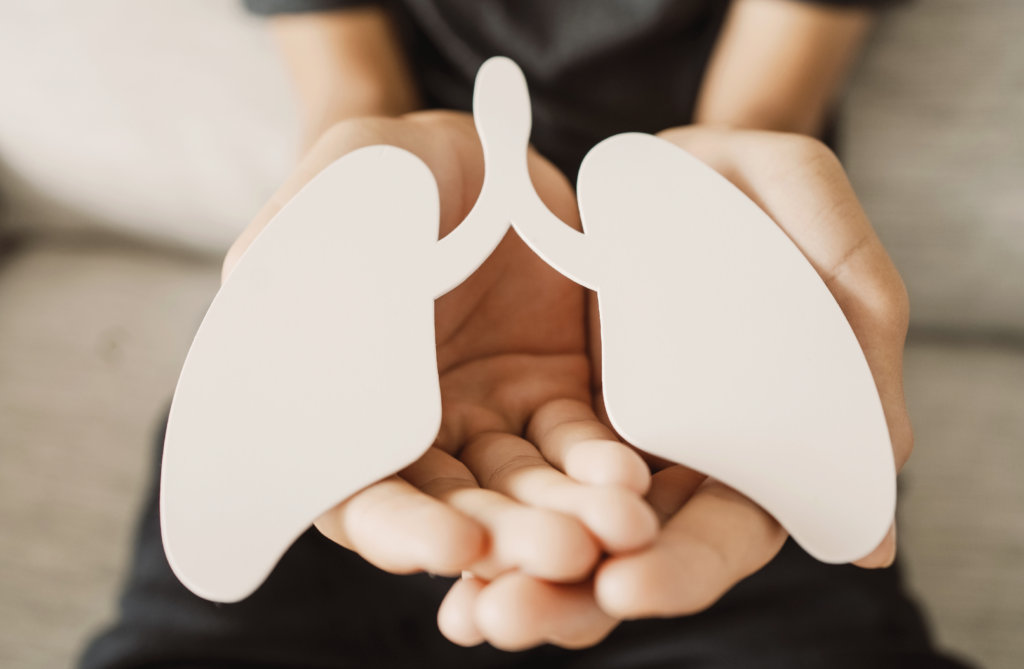
COPD often develops after years of exposure to irritants that damage the lungs, such as tobacco smoke, chemical fumes, gases, or air pollution.
Common symptoms of COPD include:
- Shortness of breath
- A cough that doesn’t get better
- Coughing up mucus or phlegm
- Wheezing
- Tiredness
What causes COPD?
Smoking is the most common cause of COPD. Other causes include:
- Exposure to smoke, dust, fumes
- Frequent lung infections during childhood
- A history of tuberculosis
- Long-standing or poorly controlled asthma

The following jobs can also put you at a higher risk for COPD:
- Mining
- Agricultural work
- Factory work
- Firefighting
- Cleaning work
- Construction
COPD Diagnosis
COPD is diagnosed using a simple breathing test called spirometry. This test measures how much air you can breathe out and how quickly you can do it.
Other tests may also be used such as DLCO, FeNO, chest X-rays, CT scans, and blood or sputum tests.

COPD Management
There is currently no cure for COPD, but early diagnosis and treatment can help:
- Improve quality of life
- Slow disease progression
- Help keep symptoms well-managed
- Reduce the risk of flare-ups and other complications.
Lifestyle changes can also help manage your COPD
- Quit smoking. This is the most important step you can take to slow the progression of COPD. Speak with your GP for support or you can call Quitline on 13 78 48.
- Stay active! Join a rehabilitation program to keep you moving and ease symptoms
- Avoid exposure to irritants
- Eating a well-balanced diet
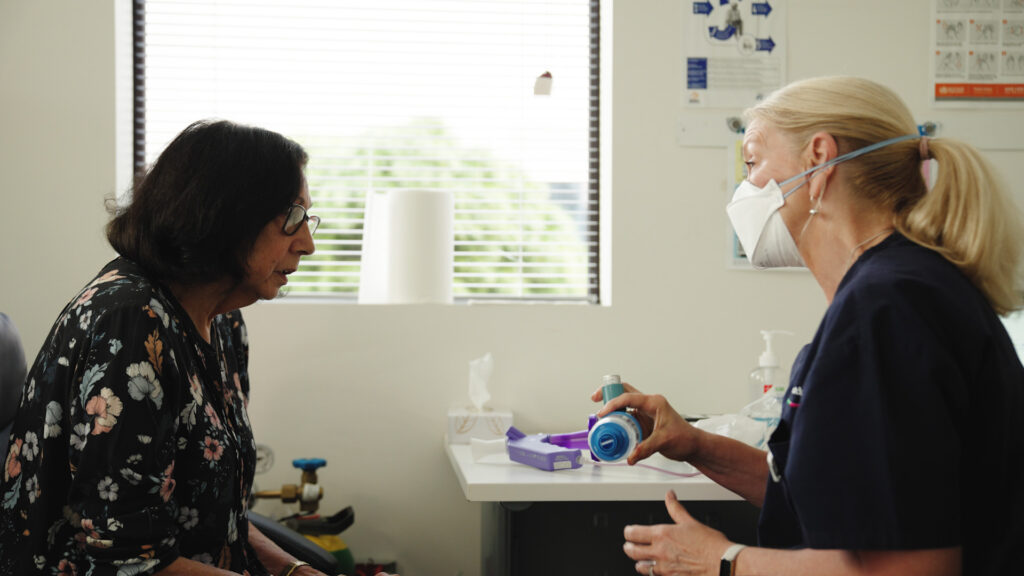
Your doctor may also prescribe inhaled medications. It is important to know what these medications are and how to use them correctly. Inhalers can help open your airways and reduce inflammation, making breathing easier.
Get a COPD action plan
A COPD Action Plan is a written guide developed by your health professional. It helps you recognise changes in your symptoms and understand what steps to take to manage your condition and stay well.
A COPD Action Plan keeps important information about your condition including:
- How to spot and treat flare-ups
- Breathing techniques and positions to help relieve breathlessness and
- When to see your healthcare professional
Want to learn more about COPD?
Visit our Resources section.