This article was authored by Dr Stephen Oo and Rael Rivers and featured on Medical Forum.
Asthma can be difficult to diagnose in children, and this is particularly true in younger age groups. This remains an area where additional support for primary care is valuable.
Our experience indicates that improved access to appropriate testing, earlier referral pathways, and coordinated care are keys to better outcomes. Currently, in paediatric asthma, there remains a broad system-wide gap across these domains.
Respiratory Care WA aimed to address this gap with its Children’s Respiratory Hubs. Prior to this there was no dedicated access to community-based paediatric lung function testing.
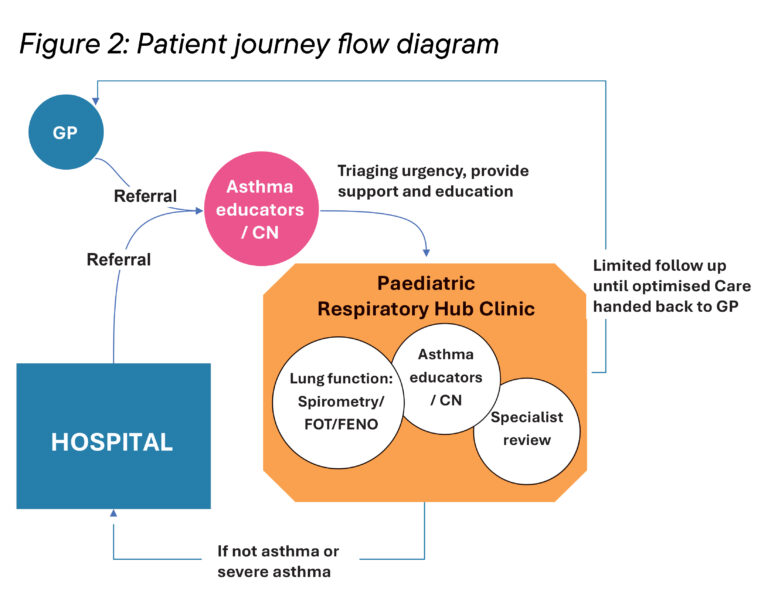
Following discharge from hospital services, families were often left without a clear care pathway, with general practitioners expected to coordinate care in the absence of structured support.
Families tell us that they frequently experience inconsistent messaging, we often hear from families that “one doctor will tell me my child has asthma, and another will say you can’t diagnose asthma that young”.
Many families report that uncertainty around diagnosis creates uncertainty around treatment, contributing to poorer adherence to preventer medication. The consequence of these inconsistencies is often years of repeated hospital visits.
Bringing care together
The hub model was introduced in 2020 as a pilot community-based, multidisciplinary, bulk-billed service designed to bridge primary and specialist care.
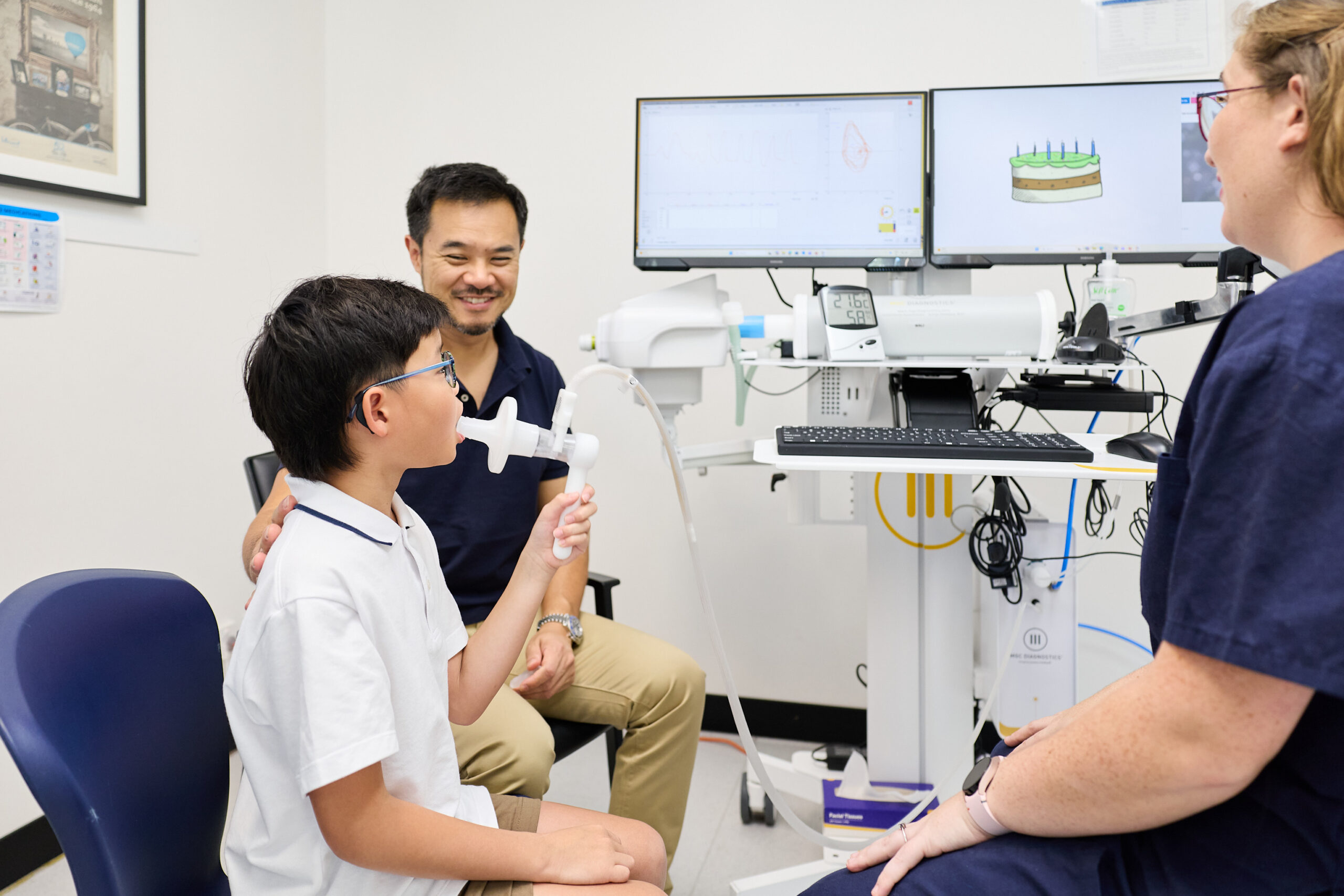
Families can access lung function testing, specialist input and nursing support within a single clinic, with results shared back to their referring clinician.
Rather than adapting an existing program, the hubs were designed locally to respond to the unique challenges of delivering paediatric respiratory care across a large and decentralised primary care landscape in WA.
It’s been the local collaborative team approach that has been critical to the model’s success.
”Delivering coordinated care at this scale relies not only on clinical expertise, but on established referral pathways, trusted partnerships and a deep understanding of how families access care."
These are not elements that can be easily replicated or delivered remotely, they require on-the-ground integration and sustained collaboration across the local health landscape.
The scale of need
Findings presented at the 2026 Thoracic Society of Australia and New Zealand Annual Scientific Meeting in Perth highlight the scale of demand for community-based paediatric asthma services.
The first four years of the service saw 1168 referrals. The following 20 months saw 1,169 referrals, effectively matching the previous four years combined.
This is not just increased awareness, it is a clear signal that the service is reaching children who were not previously being identified or supported.
In just six months (January to June 2025), the hubs delivered more than 2200 occasions of service, including:
- 1,624 nursing reviews (telehealth and in person)
- 365 specialist consultations and reviews
- 302 lung function tests
Among children assessed by a specialist, asthma was confirmed in nearly 70% of cases, with treatment adjusted in almost three-quarters.
”The hub has really helped our family and given us a place to go where we can get good advice. Getting the right advice and speaking to specialists in one location has been really great.” - parent
Access to coordinated care is not just more efficient for the health system; for individuals and families, it provides clarity and confidence at a time when they need it most.
Why the hubs matter
International evidence shows that locally coordinated asthma care improves patient outcomes while reducing pressure on hospital systems. These studies have shown significant cost savings for the health system, alongside better health outcomes.
In countries where this model has been successful, both primary and tertiary care are largely publicly funded. The challenge in Australia is how to do the same across disparate private primary care services
The hubs were created in part to support local-level coordination between primary and tertiary care. It is the first initiative of its kind in Australia, working towards a model that supports greater integration across asthma care.
This model is particularly important in WA, where distance, access and service distribution can create additional barriers for families seeking timely care.
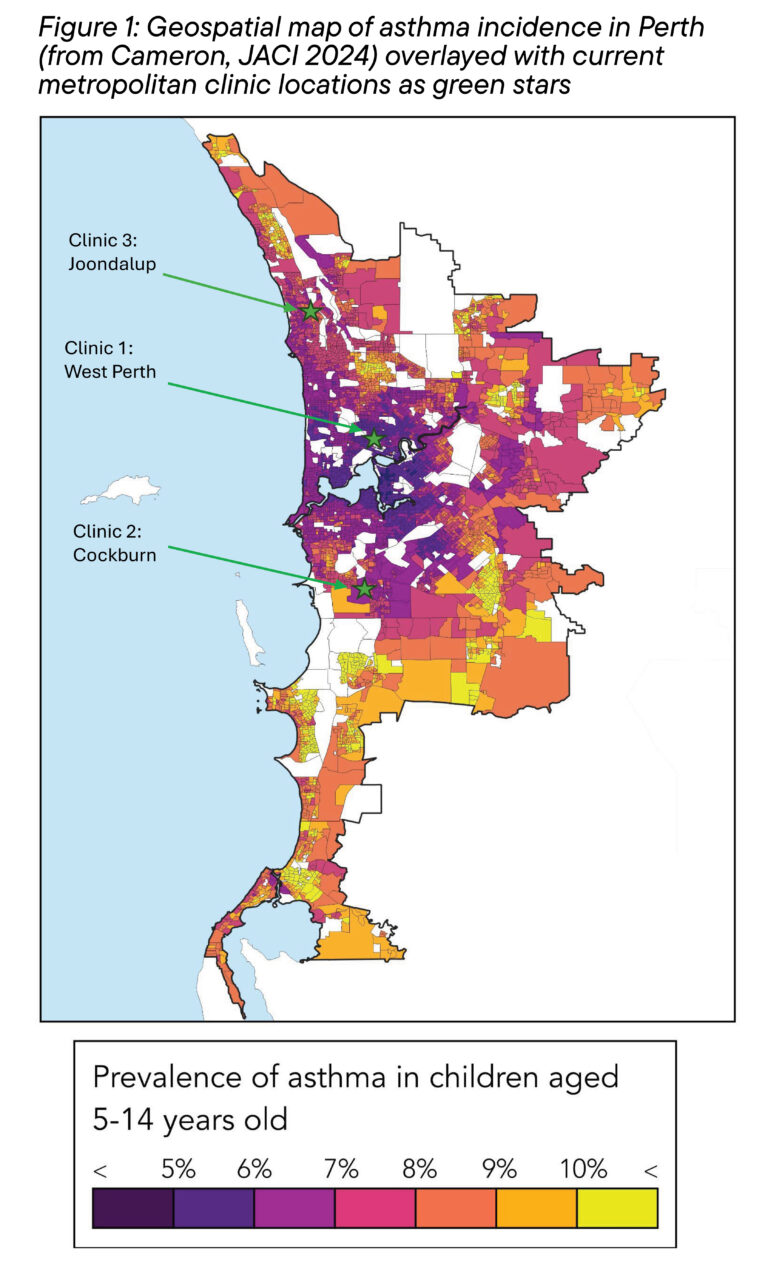
The success of the hubs highlights a growing challenge: demand is now outpacing capacity.
Referral growth continues, waitlists are extending, and patterns of use are highlighting areas where access to paediatric respiratory care remains limited, particularly across metropolitan growth corridors and regional communities.
Without increased support, delays in diagnosis and treatment will persist, and opportunities for early intervention may be missed.
Meeting this demand will require targeted expansion, including extending services into high-growth metropolitan areas, increasing outreach in regional and rural communities, and scaling clinic availability to reduce wait times.
Strengthening referral pathways between GPs, hospitals and community services will also be critical to ensuring children are identified and supported earlier.
As demand continues to rise, the hubs are doing more than delivering care. They are generating evidence on where demand for services is coming from and where services are needed most within the community.
Looking ahead
The hubs are improving access, supporting earlier diagnosis and revealing the true scale of paediatric respiratory need in WA. Developed by local clinicians, consumers and experts in response to a clear gap in care, the hubs demonstrate what can be achieved when solutions are designed within the communities they serve.
There is now a clear opportunity to build on this model to meet rising demand and ensure more children can access the care they need through continued investment in community-based services.